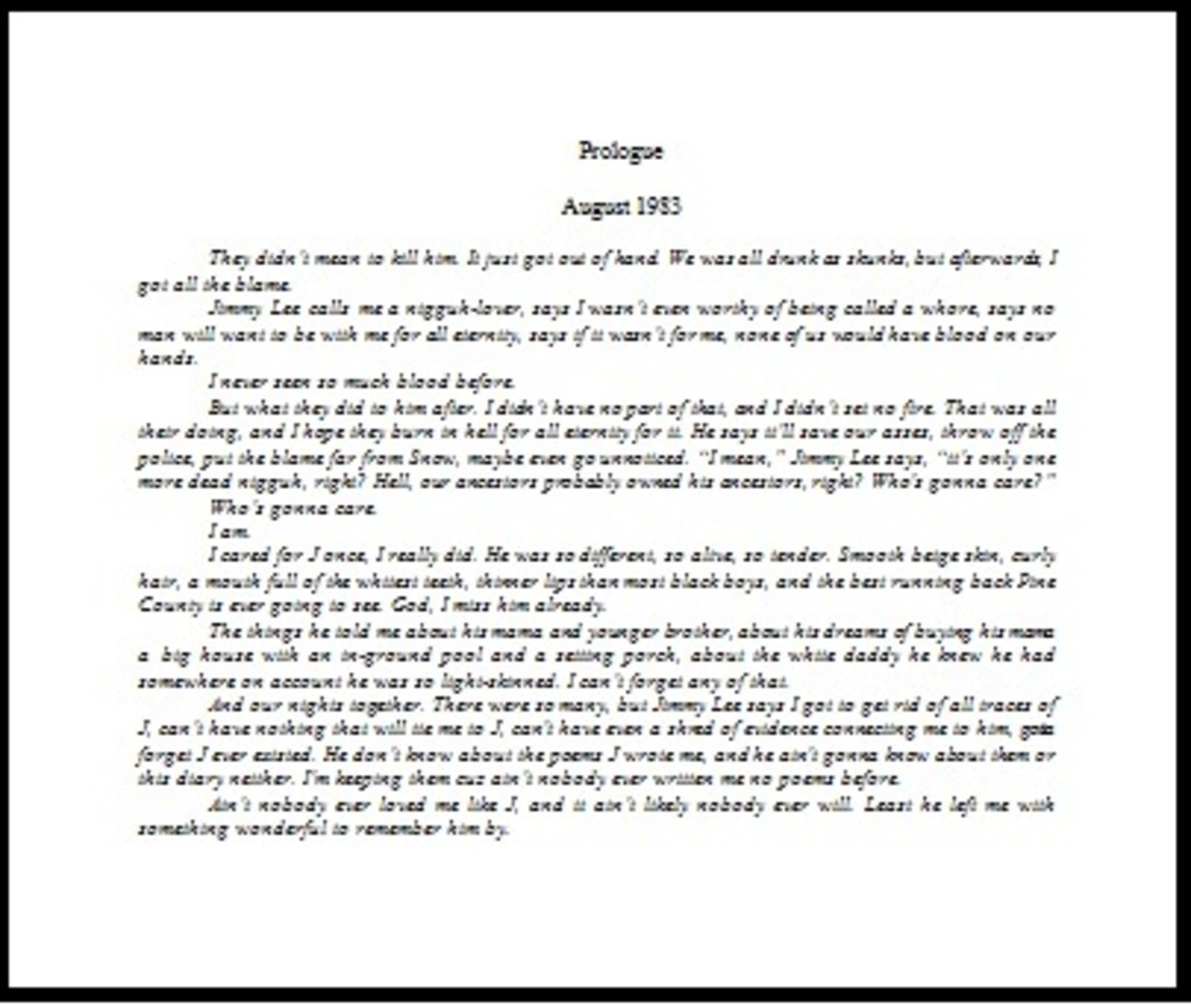
How To Write A Prologue For A Novel. Don’t make it too vague or mysterious. Use the prologue to offer an essential back story. A prologue is always written from a character or narrator’s point of view. Let's go over some published novels and talk about why the prologue works and how you can write a strong prologue for y. “prologue” comes from the greek prologos, meaning, “before word.”. How is romeo described in the prologue? A prologue comes at the beginning of your book — after the technical information, the dedication, and the epigraph (if you have them), but before the first chapter. Don’t label it as a “prologue.” make it exciting. It should be an introduction to the main story. Other writers see a prologue, and immediately skip over it. Romeo is not described in either the prologue to act 1 or the prologue to act 2. It is part of the narrative and serves to set up the main story, provides some vital information, and prepares the reader for what is to come. This becomes your opener, carrying with it all the import your first few paragraphs demand. There must be a purpose to the prologue and a reason why it is singled out and standing alone at the very beginning of the novel; The introduction to tolkien’s the fellowship of the ring (1954) is also a good example of an effective prologue.
4 Crucial Ways to Professionalize your Kindle or SelfPublished Book Without Spending a Dime from hubpages.com
Prologues are hotly contested within many writing communities, with some saying that they are basically d. Some writers swear by prologues. A prologue is always written from a character or narrator’s point of view. Some characters are defined by past actions. In an ancient greek drama, the prologue was the equivalent of the first. A prologue that has nothing to do with the main story. Keep the language/tone consistent within the prologue, i.e., if it's a mystery set in charleston, don't use humorous language, mixed with a dry, historical recounting of the time period. There are a few reasons for this: And to answer ‘how to write a prologue your readers won’t skip’, i hope these prologue writing tips will help: You need to provide background information or a backstory that doesn’t fit in the main text.
A Prologue That Has Nothing To Do With The Main Story.
You need to provide background information or a backstory that doesn’t fit in the main text. Romeo is not described in either the prologue to act 1 or the prologue to act 2. You don't want the prologue to drag on for half the book. Never feel you have to write a prologue simply because a lot of other books in your genre have one. “prologue” comes from the greek prologos, meaning, “before word.”. Keep the language/tone consistent within the prologue, i.e., if it's a mystery set in charleston, don't use humorous language, mixed with a dry, historical recounting of the time period. A prologue comes before the first chapter of a novel. Your prologue shouldn’t be longer than your average chapter length. Let's go over some published novels and talk about why the prologue works and how you can write a strong prologue for y.
This Is Not The Place For Narrative Summary.
In an ancient greek drama, the prologue was the equivalent of the first. Don’t make it too vague or mysterious. Make sure there is a hook put into the line so that readers will want to make it to chapter 1. Add some excitement to the prologue, even if it comes from elsewhere in your manuscript, to add some story interest for the reader. Some writers swear by prologues. Let’s talk about how to write a prologue! Only add a prologue if your purpose is one of the following: How is romeo described in the prologue? By the time we get to the main action, we don’t need an explanation for every world building detail.
Make It Captivating—A Scene As Strong As Any In Your Novel.
We all know that the first pages of your. Prologues are easy to get very wrong. Other writers see a prologue, and immediately skip over it. You want to set the tone for the rest of the work. This becomes your opener, carrying with it all the import your first few paragraphs demand. There are a few reasons for this: Prologues are hotly contested within many writing communities, with some saying that they are basically d. Share information relevant to key events of your story. It introduces information important to the story, like character backstory or a glimpse to the future, though readers won’t understand why or how these details are crucial to the story just yet.
What Is It & Do You Really Need A Prologue?
A prologue is always written from a character or narrator’s point of view. Some characters are defined by past actions. To write a prologue or to not—that is the question. Grab readers with an evocative scene that forces them to keep turning pages. Use it to set the mysterious tone for the novel. And to answer ‘how to write a prologue your readers won’t skip’, i hope these prologue writing tips will help: A prologue comes at the beginning of your book — after the technical information, the dedication, and the epigraph (if you have them), but before the first chapter. Prologues need to somehow propel or impact your main plot. For a prologue to work it must possess one (if not all) of several attributes.